Vertical Axis Water Turbine: Game changer in using tides.

In collaboration with the innovative company Water2Energy, Physixfactor has developed a model based on Computational Fluid Dynamics of water through a vertical turbine. Shown here is a movie of a time-dependent simulation of a three-blade rotor, where the flow goes from left to right. This configuration of a vertical axis water turbine delivers power through the shaft to an alternator. The current does not exceed 6 m/s, and fish and other living organisms can pass through this rotor system without damage. The system has also been simulated with 4 and 6 blades, where the criterion that 99.5% of the living organism can pass without problems is guaranteed. Field tests have shown this.

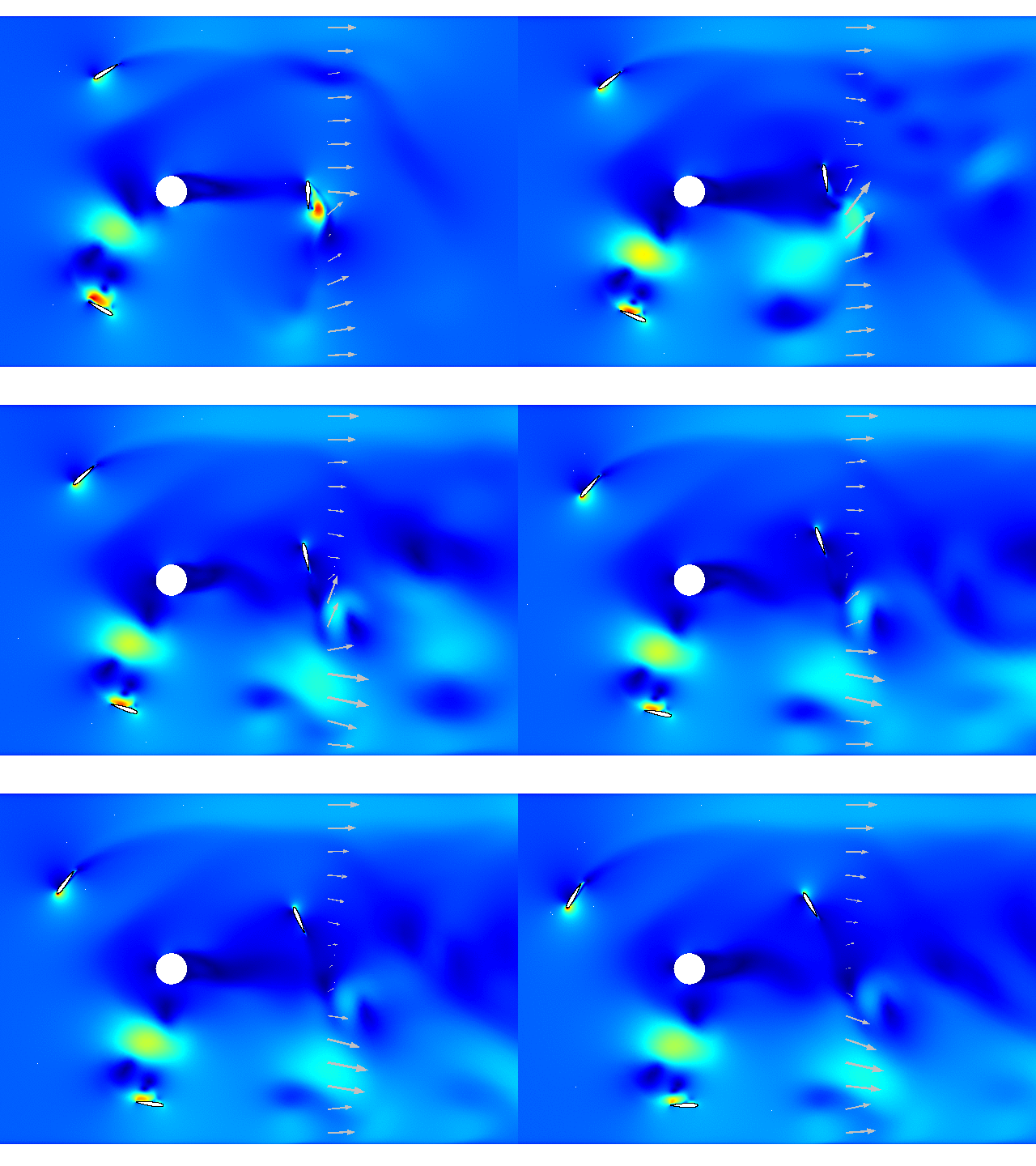
 
Fluid flow in vertical axis of water turbine
Fluid flow
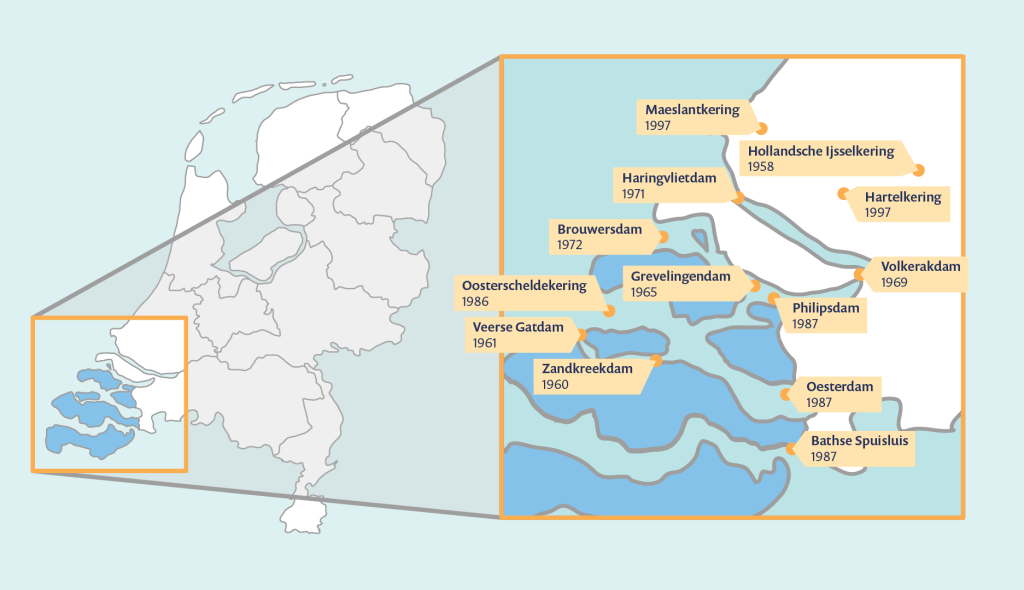
Overview of the Province Zeeland in the Netherlands

Delta works in Zeeland (Netherlands)

The tide in Zeeland is a contineous source of energy in the Netherlands. Two times a day we have high tide and low tide. This means four times a day the flow between high and low tide reaches a maximum. An Vertical Axis Water Turbines has been developed by Water2Energy and Physixfactor devloped a Comsol CFD model to simulate the movement of the Turbine generating an optimum power. The mechanical rotational energy is converted to electrical energy. Read the article at the website of COMSOL. For this model Physixfactor developed proprietary moving mesh codes to compensate the angle of attack of the blades during the rotation. See the torque figure below.

Field test VAWT

Test rig for measering the generated power with different flow velocities. The test rig contains fish and it has been concluded that more than 99.8% could survive the passage of the VAWT and the blades. This test rig was crucial in deducing the characteristics of the power generator. The low mortality of waterlife through the rotating blades of this VAWT is of great importance, and is impose by governmentallaw.